Most people spend their vacations ticking boxes: the Eiffel Tower, the Grand Canyon, the Colosseum. But there is a specific kind of itch that a crowded observation deck can't scratch. It's the desire to find a place where you aren't just another tourist in a line, but an explorer in a landscape that feels secret. Choosing offbeat activities isn't just about adrenaline; it's about the shift from being a spectator to being a participant in the world's more rugged, honest corners.
The Allure of the Untamed Wilderness
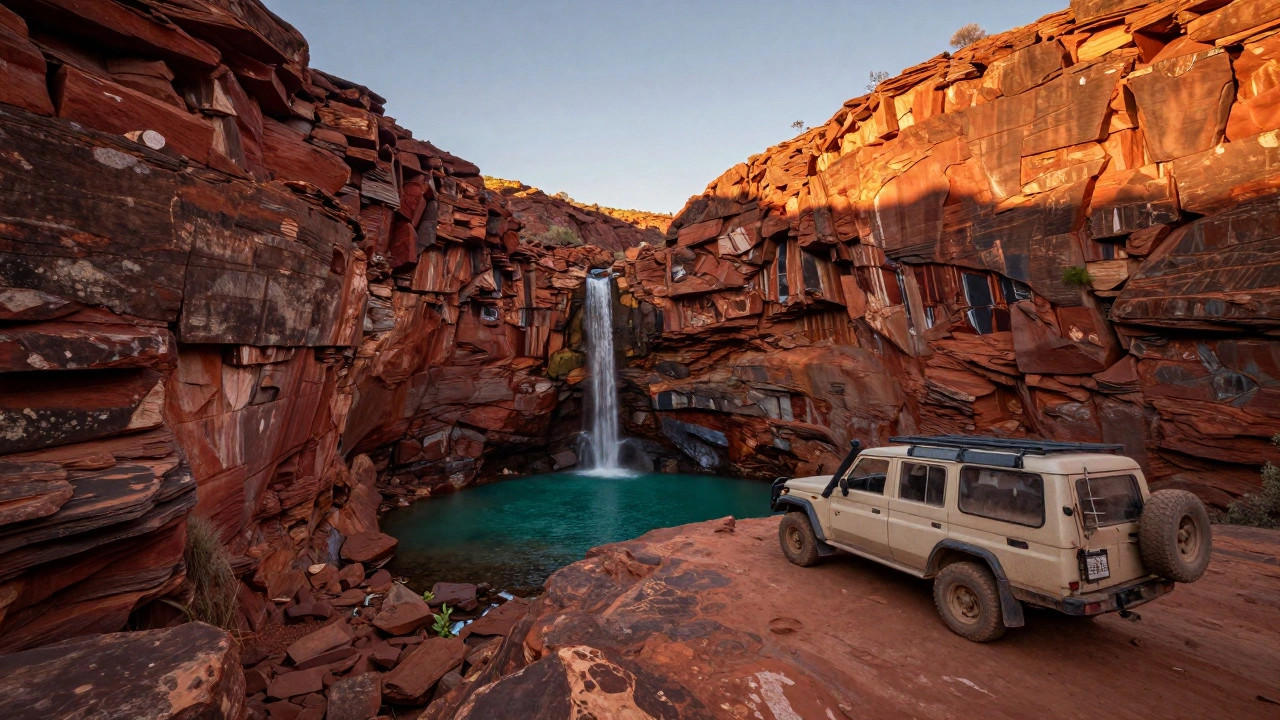
When you step away from the paved paths, the world opens up in ways that a travel brochure can't capture. Take the Kimberley region in Australia's remote northwest. This isn't your typical beach holiday. It's a dramatic, rugged expanse where the topography is so challenging that you either need a heavy-duty four-wheel drive or an expedition ship to get around. Imagine navigating deep gorges, hidden waterfalls, and ancient caves where the only sound is the wind. It's a true Outback experience that strips away the noise of modern life.
Closer to home in the U.S., you don't always have to fly across the globe to find something strange and beautiful. Hocking Hills in Ohio is a prime example of how surprising a local landscape can be. While many stick to the main trails, the real magic happens at the Nelson-Kennedy Ledges, where narrow stone passages and deep crevices create a natural labyrinth through the forest. If you want something truly surreal, the Crystal Cave in Put-In-Bay holds the title of the world's largest geode. Standing inside a giant crystal is a humbling reminder of how much weirdness exists right beneath our feet.
A quick pro tip for these spots: the crowds usually hit their peak around 11 AM. If you want that "lost in the world" feeling, get there at dawn. In Hocking Hills, trying the Cedar Falls trailhead instead of the main entrance can save you from the parking nightmare and give you a head start on the quietest parts of the park.
Defying Gravity with Extreme Adventures
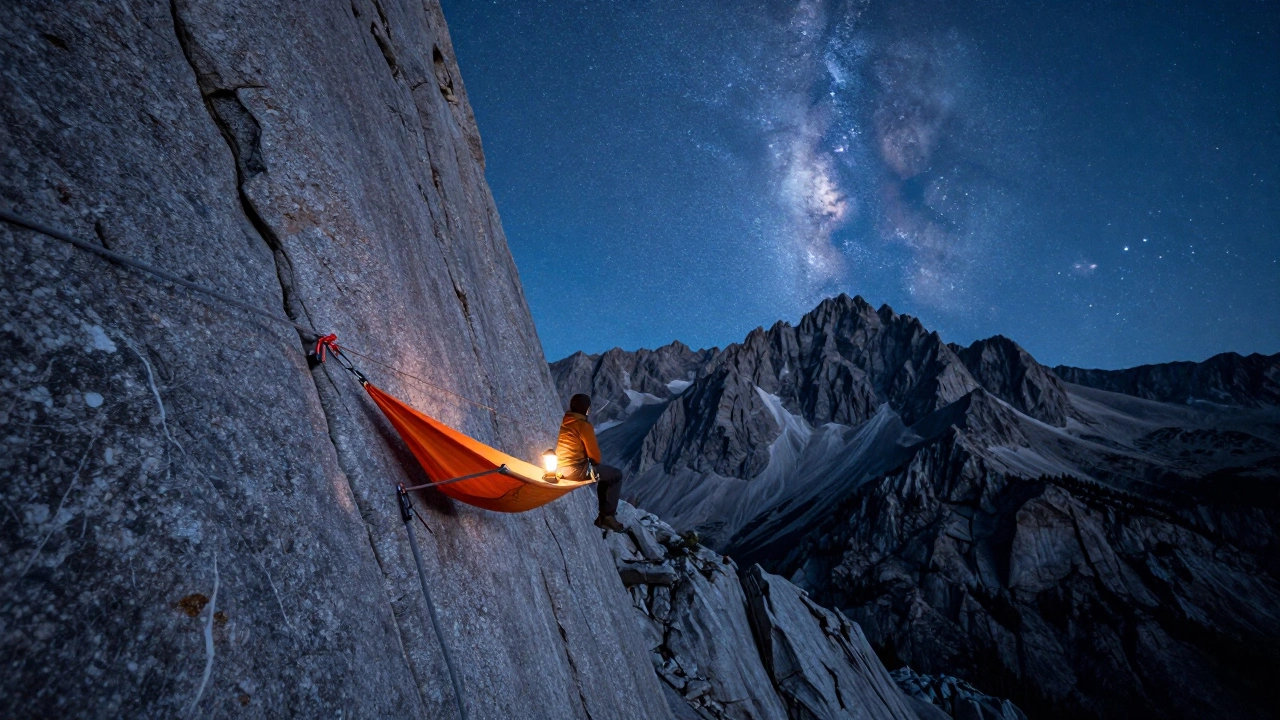
For some, a hike in the woods isn't enough. The real thrill comes from activities that push your psychological limits. Cliff Camping is one of the most intense experiences you can find in North America. This isn't your average tent-on-grass setup. You're sleeping on a portaledge-a collapsible hanging cot-attached to a vertical rock wall. To get there, you either rappel down from the top or scale a big wall. It's a pricey venture, often starting around $1,200 per person, but the view from a vertical bedroom is priceless.
If a whole night on a cliff is too much, "cliffnics" offer a middle ground. Imagine having dinner suspended 75 feet in the air with the jagged peaks of Rocky Mountain National Park as your backdrop. It requires a mix of hiking and rappelling, but it turns a simple meal into a memory you'll talk about for decades.
| Activity | Primary Location | Intensity Level | Key Requirement |
|---|---|---|---|
| Cliff Camping | USA (Various) | Extreme | Portaledge/Rappelling |
| BASE Jumping | Twin Falls, Idaho | Maximum | Tandem Instructor |
| Via Ferrata | Telluride, Colorado | High | Harness & Guide |
| Cage Diving | Hawaii/South Africa | Moderate-High | Plexiglass Cage |
Speaking of maximum intensity, BASE Jumping at the Perrine Bridge in Twin Falls, Idaho, is a rare opportunity. Most places in the U.S. require permits or are strictly forbidden, but the Perrine Bridge allows jumps year-round. For beginners, tandem jumps are available, allowing you to freefall over the Snake River Canyon while strapped to a pro. It's the fastest way to go from "terrified" to "invincible."
Conquering the Vertical World
If jumping off a bridge is a bit too much, but hiking feels too slow, Via Ferrata is the perfect bridge. Originally designed by the military during World War I to move troops across the Alps, these "iron paths" use fixed cables, ladders, and bridges bolted into the rock. It's essentially climbing for people who aren't professional climbers.
In the U.S., the route in Telluride, Colorado, is a standout. It takes you high above the town, offering a level of exposure that would make most people dizzy, but the safety cables keep you secure. There's no entrance fee for the terrain itself, though you'll definitely want to hire a professional guide for the gear and the peace of mind. It's a fantastic way to confront a fear of heights without needing years of technical training.
Underwater Encounters and Indigenous Connections
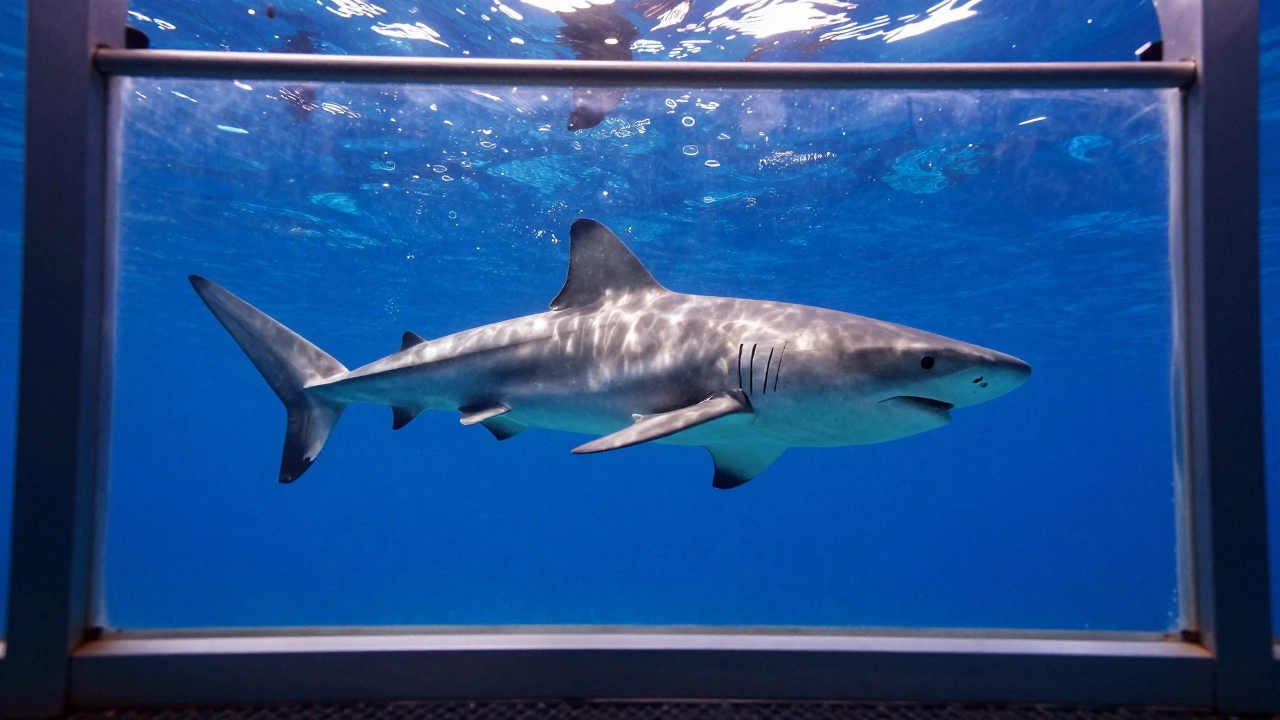
Adventure isn't always about heights; sometimes it's about depth. Cage Diving allows you to come face-to-face with apex predators. While South Africa is the global hub for this, Hawaii's Northshore offers a unique experience with 400-pound Galapagos and Sandbar sharks. Being inside a plexiglass box changes the dynamic entirely-you aren't prey; you're an observer. It strips away the cinematic myths about sharks and replaces them with a raw, biological curiosity.
Beyond the physical rush, some of the most transformative experiences are cultural. In San Blas, Panama, you can engage in island-hopping with the Kuna people. This isn't a resort stay. You charter a sailboat to visit a chain of 365 tiny, palm-fringed islands. The value here isn't just the turquoise water; it's the interaction with an indigenous community that has maintained its autonomy and culture in the face of the modern world.
Similarly, trekking to Machu Picchu in Peru is a rite of passage for the adventurous. Reaching the "Lost City of the Incas" on a ridge 8,000 feet above sea level is as much a mental challenge as a physical one. It's one of those rare places where the geological drama matches the historical mystery.
Planning Your Own Offbeat Journey
Transitioning from a standard tourist to an adventurer requires a change in mindset. You have to be okay with things not going perfectly. Whether you're looking for summer dog sledding in the U.S. or exploring a hidden geode in Ohio, the goal is authenticity over luxury. The most memorable moments usually happen when you're slightly uncomfortable and completely out of your element.
When picking your next activity, ask yourself: "Am I doing this because it's popular, or because it's challenging?" If it's the latter, you're on the right track. Start with a a low-stakes hidden gem-like a weird museum or a local ledge-and work your way up to the portaledges and BASE jumps. The world is far bigger than the top ten lists on the internet.
Is cliff camping safe for beginners?
It is safe as long as you go with certified professionals. For those without climbing experience, the easiest route is hiking to the top and rappelling down to the ledge. The gear, specifically the portaledge, is designed for professional climbers and is extremely secure when installed correctly.
Do I need a permit for BASE jumping in Idaho?
The Perrine Bridge in Twin Falls is one of the very few places in the United States where BASE jumping is allowed year-round without a permit. However, if you are a beginner, you should always book a tandem experience with a licensed instructor to ensure safety.
What is the best way to visit the Kuna people in Panama?
Chartering a sailboat is the most effective and traditional method. Because the San Blas islands are a remote archipelago of hundreds of small dots in the sea, a boat allows you the flexibility to move between islands and interact naturally with the local community.
What exactly is a Via Ferrata?
A Via Ferrata (Italian for "iron path") is a protected climbing route. It consists of a series of steel cables, rungs, and ladders fixed to the rock face. Climbers wear a harness and use a specialized lanyard to clip into the cables, making it accessible to people who don't have technical rock-climbing skills.
How can I avoid crowds at popular offbeat sites like Hocking Hills?
The golden rule is early arrival. Most crowds begin to form around 11 AM. Additionally, look for alternative entry points; for example, using the Cedar Falls trailhead instead of the main entrance can often provide a quieter start to your hike.
